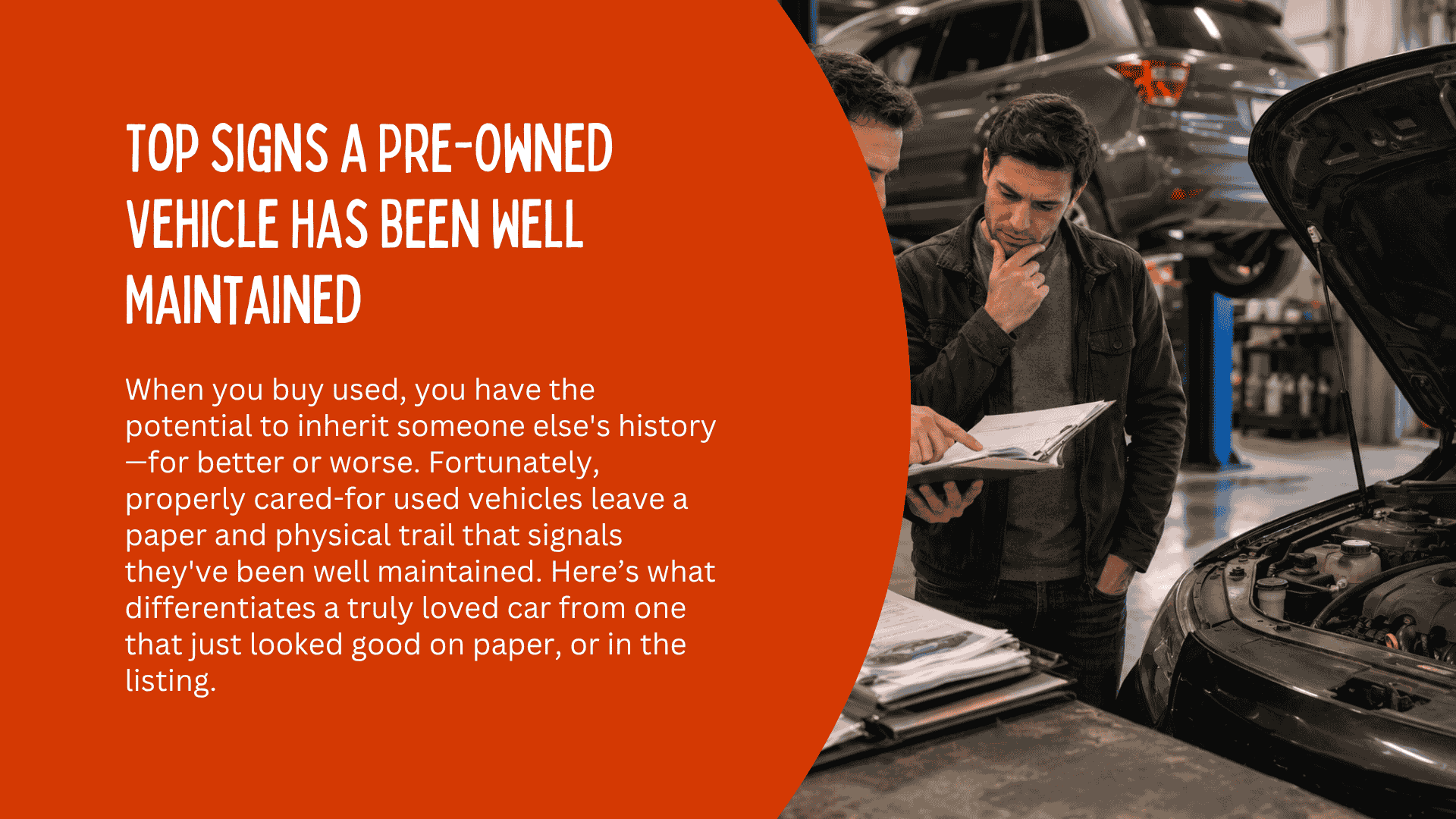
Top Signs a Pre-Owned Vehicle Has Been Well Maintained
Key Insights -The overall comprehensive maintenance record from a shop or single dealership would be preferable, showing evidence of proper car...
Read more
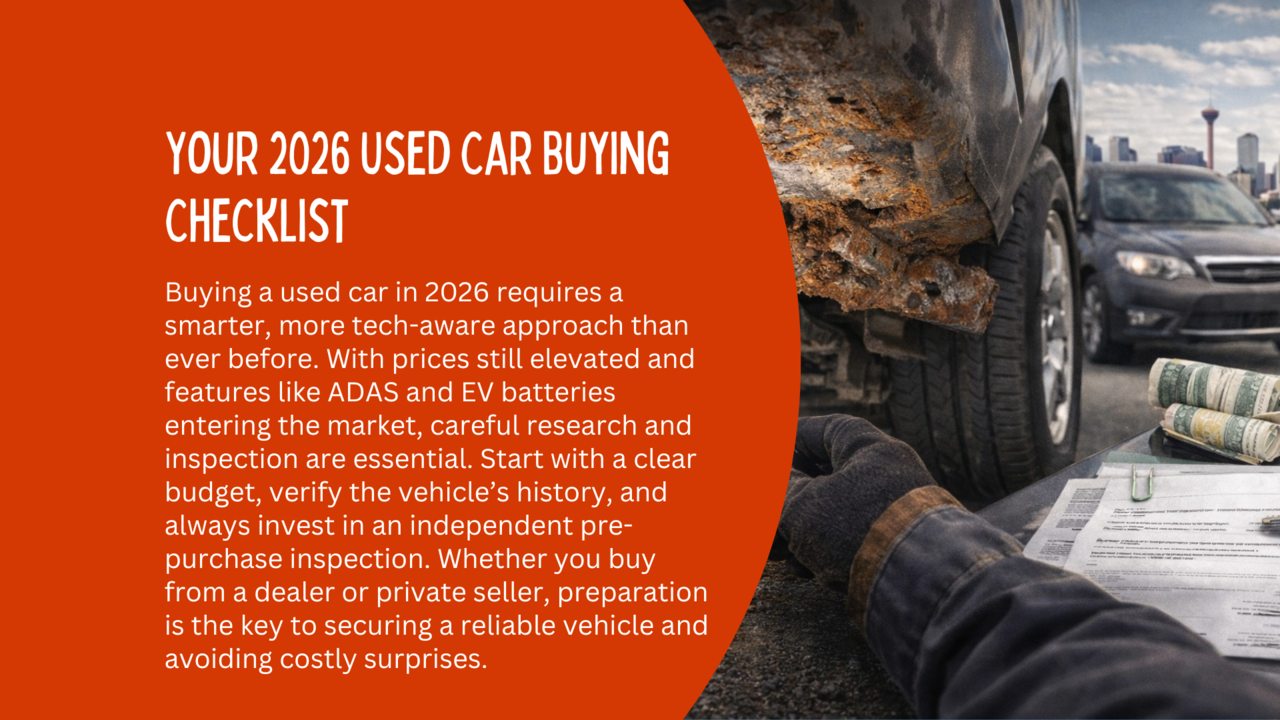
In 2026, you're not the only one considering a used car purchase. The market has changed, incorporating new complexity and exciting technology. This blog serves as your indispensable checklist for buying a used car in 2026. We will show you how to buy a used car safely, helping you secure a great deal on a reliable vehicle and avoid costly surprises, turning a daunting process into a smart, satisfying investment.
The market is stabilizing, but used-car prices in 2026 remain higher than before the pandemic. Understanding the driving factors is key to a smart purchase.
lower inventory over time due to a decrease in the production of new cars (2020-2023). strong demand in the face of rising new car prices as consumers look for affordability.
Advanced driver-assistance systems (ADAS) are now common, even in older models. Early EVs and hybrids are entering the market, making battery health a new inspection priority.
Markets vary widely. A used car dealership in Calgary will focus on different inventory, like trucks, rather than useful commuter cars, in contrast to a dealership in Toronto.
A clear plan is your best tool. This used-car buying checklist breaks the process into manageable steps to build confidence.
Be brutally truthful. Establish a strict budget that accounts for all taxes, fees, and insurance. What do you need the car for on a daily basis? Get pre-approved by your bank if you want to finance a used car in 2026. Before you even look, this knowledge is power.
Narrow your search to 2-3 models. Use tools like the Canadian Black Book to understand real used car prices in 2026. For any serious candidate, get the VIN and buy a CarFax Canada report immediately. It’s non-negotiable for uncovering past accidents or odometer issues—this is core to how to buy a used car safely.
It's essential to have a used car inspection checklist. Examine paint, tire, and rust during the day. A test drive must last 20 to 30 minutes. Feel the transmission shift, test each button, and listen for strange noises. Next, spend money on an independent mechanic's Professional Pre-Purchase Inspection (PPI). Your best defense is this $100–$200 fee, which exposes hidden weaknesses and improves your negotiating position.
When purchasing a used car in 2026, your choice of seller affects cost security and comfort.
Certified pre-owned (CPO) vehicles should have warranties and provincial consumer protection (e. g. g. . In the g. OMVIC. ). less risky but often more costly.
Typically lower prices, but sales are "as is." You assume all risk. A full lien check is absolutely essential to avoid buying a bank-owned car.
First, get pre-approval from your bank. Whether you use it or not, it gives you more negotiating power and a clear budget.
The process of buying a used car in 2026 is getting a tech-forward upgrade. Here’s what’s coming.
A wave of pre-owned EVs is hitting the market. Battery health checks are becoming more reliable, potentially creating great value opportunities.
AI-powered analysis will give hyper-accurate valuations. This data helps you pinpoint the real best time to buy a used car.
Nowadays, every day car purchases include contactless transactions and remote inspections. Although they are practical, they also increase the risks. Because of this, it is more important than ever to rely on a verified vehicle history report.
In 2026, purchasing a used car doesn't have to be a risky decision. You can acquire the necessary skills. You take control by sticking to a clear, practical checklist. Get a professional inspection you can trust. Check the car’s history so there are no surprises. Know what similar vehicles are selling for in your area. Whether you go with a certified car for extra peace of mind or a private sale to save some money, being prepared puts you in the driver’s seat.
You'll leave with more than just a car if you use the resources and have faith in the process; you'll have the assurance of a wise investment.
Hands down, it's the independent Pre-Purchase Inspection (PPI). A trusted mechanic can find hidden issues you'd easily miss. Never skip this, even if the seller pressures you—it's a major red flag if they do.
For market values, consult Canadian-specific resources such as the Canadian Black Book. Next, look at local listings for comparable models while taking condition, mileage, and year into account. If any repairs are required, a PPI report will assist you in modifying the cost.
Particularly for CPO vehicles, dealerships provide warranties and legal protection, but the cost is higher. Private sellers offer lower prices but greater risk because they sell as-is. How much risk youre willing to take and your budget will determine the best option.
It is undoubtedly a thorough background check. It reveals accident history, odometer fraud, and unpaid liens. It's a small cost that protects you from expensive hidden problems.
Get pre-approved by your own bank or credit union before you shop. This sets your real budget and gives you leverage. Always look at the total loan cost, not just the monthly payment, and remember to factor in taxes, registration, and insurance.
Top Signs a Pre-Owned Vehicle Has Been Well Maintained
Key Insights -The overall comprehensive maintenance record from a shop or single dealership would be preferable, showing evidence of proper car...
Read more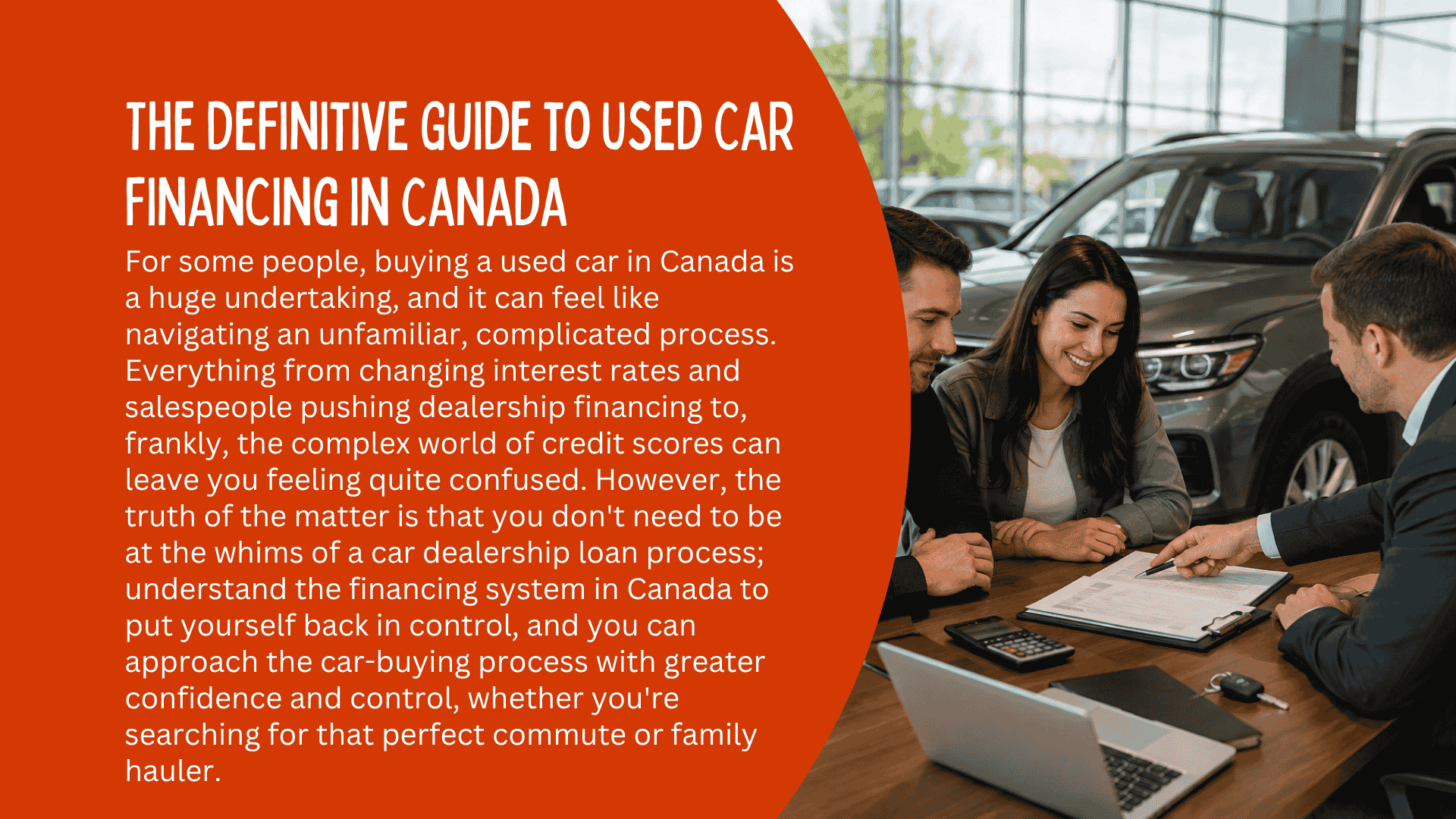
The Definitive Guide to Used Car Financing in Canada
Key Insights Work with your own bank or credit union to get a loan pre-approved, as that will give you an impressive bargaining chip against your...
Read more
How Trade-In Value Affects Your Next Pre-Owned Vehicle Purchaseac
How Trade-In Value Affects Your Next Pre-Owned Vehicle Purchaseac Trading in your current car is often the fastest way to lower the cost of your...
Read morePowered and developed by
