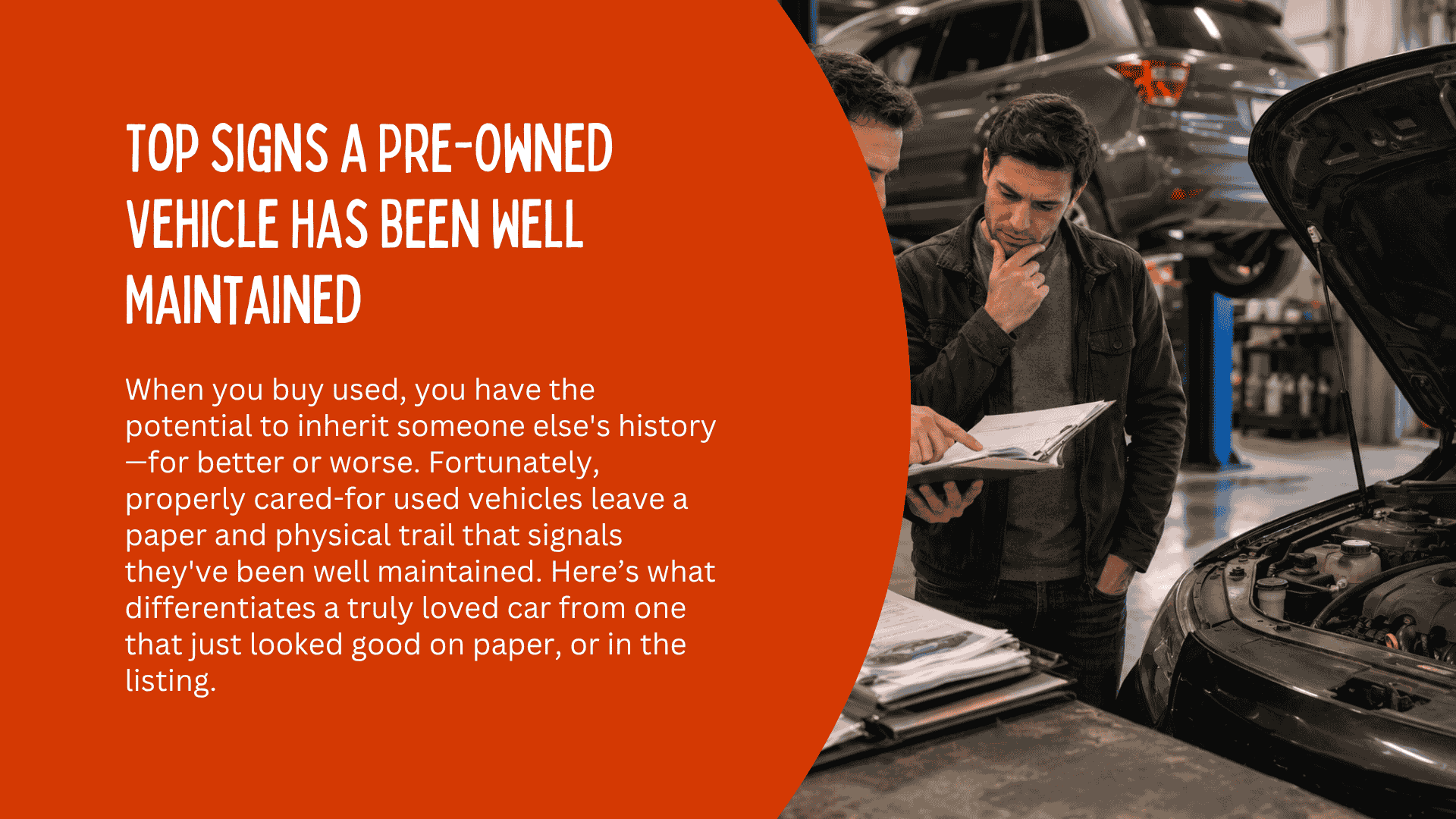
Top Signs a Pre-Owned Vehicle Has Been Well Maintained
Key Insights -The overall comprehensive maintenance record from a shop or single dealership would be preferable, showing evidence of proper car...
Read more
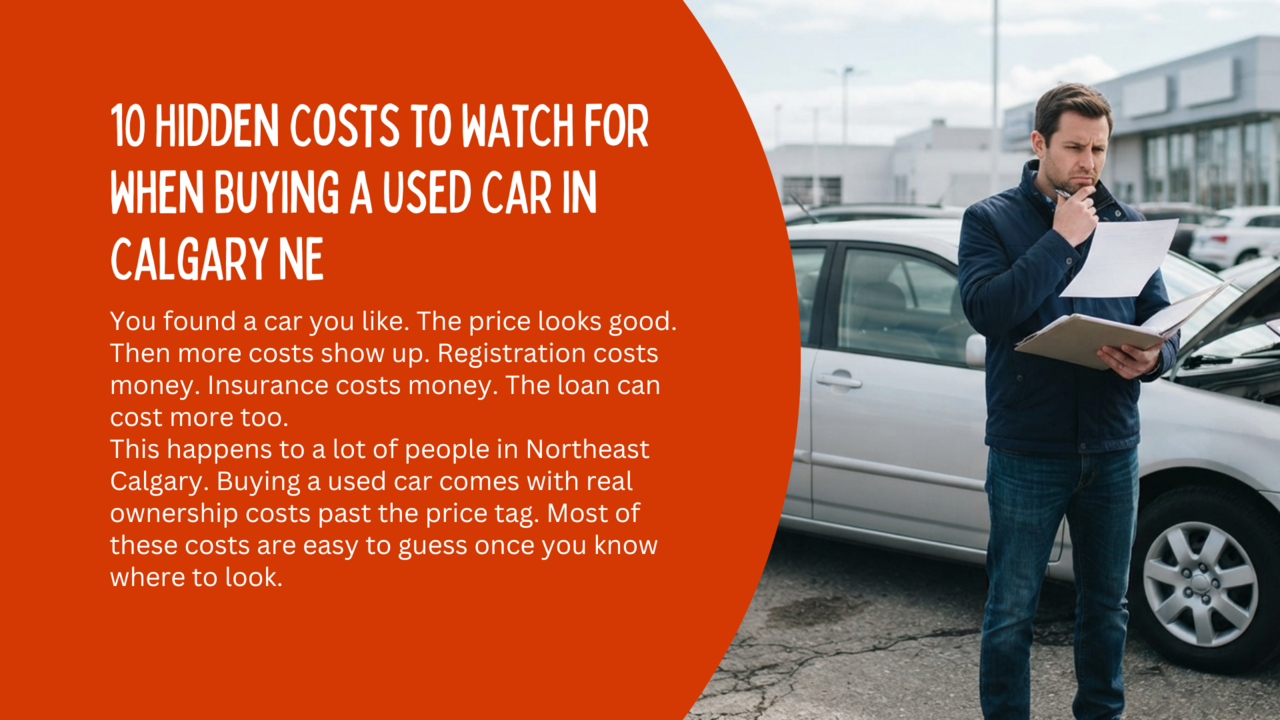
You found a car you like. The price looks good. Then more costs show up. Registration costs money. Insurance costs money. The loan can cost more too.
This happens to a lot of people in Northeast Calgary. Buying a used car comes with real ownership costs past the price tag. Most of these costs are easy to guess once you know where to look.
Alberta has a rule for dealers. The price you see must show all the fees. That already helps you more than buyers in most other provinces. This guide shows you the 10 costs to plan for in 2026.
|
The Big Promise By the end of this guide, you will know how to add up the real cost of buying a used car in Calgary NE. That means taxes, registration, insurance, and loan costs before you sit down to sign anything. |
Quick answer: The hidden costs of buying a used car are the fees you pay after the price tag. This means GST, registry fees, insurance, loan interest, and repairs. Together, these can add $2,000 to $5,000 to what a Calgary buyer really pays in the first year.
None of these costs are tricks. They are just easy to forget when you're excited about a new car.
A $14,000 price tag and a $17,500 real cost are two very different budgets. Only one number is on the window. Buyers who don't plan for the full cost of buying a used car often need a longer loan to cover the fees they forgot. A longer loan means more interest paid over time.
Knowing every cost ahead of time helps you too. You can walk into a Barlow Trail lot, compare the full price against a private sale, and know exactly what you're looking at.
Every used car sale in Alberta comes with a few small costs. There's GST. There's a registry fee. And for private sales, there's a lien check most buyers skip. These three costs are part of buying a used car no matter where you shop.
Car sales in Alberta are subject to a 5% GST. This is not paid to the seller, but rather at the registry. That is $1,000 due on the day of registration for a $20,000 vehicle. Along with your down payment, make plans for this.
Standard registration fees in Alberta start around $102. That price already includes the service charge. Electric cars pay an extra $200 a year.
In 2026, the province raised most vehicle fees by $5 to $10. Most fees now cost $20 to $90. It's a small jump, but plan for it.
Tip: budget an extra $150 to $1,200 for taxes and registry costs. That way, there's no surprise trip to the bank. Next up is the cost that changes your monthly payment the most: insurance.
Alberta has some of the highest insurance costs in Canada. Calgary's hail storms make it even pricier.
The Automobile Insurance Rate Board says the average yearly cost is $1,835 (Automobile Insurance Rate Board, via CTV News, 2026). That's the second-highest in Canada. Calgary drivers often pay $400 to $700 more each year than people in smaller towns.
If you use a loan, your lender will make you get full coverage, not just the basic kind.
Tip: get an insurance quote before you buy, not after. A cheaper car with a bad history can cost more each month than a pricier, safer one. Loan costs are next, and they make this problem bigger.
Financing charges on used cars are usually higher than on new cars. Lenders see used cars as riskier.
According to the Bank of Canada, the average rate for new auto loans in April 2026 was 6.57%. Depending on your credit, used car loans typically start higher, sometimes in the double digits.
On a $20,000 loan, the gap between an 8% rate and a 15% rate is about $4,200 more in interest over five years. That's money you never see on the price tag.
If you still owe money on your old car, and you roll that debt into a new loan, you pay more interest in the end. Getting a fair trade-in price first can lower this risk a lot.
Tip: get pre-approved before you shop. That way you know your real rate, not just a guess. Add-on products are next, and that's where things can get pricier still.
Tire protection, extended warranties, and etching packages are optional. Dealers in Alberta are required by law to provide clear information about these products and cannot require you to purchase them.
AMVIC's advice is simple: you should never feel pushed into buying add-ons. Anything already added to the car, like etching, must be clearly listed.
Tip: read your bill of sale line by line. This lets you say no to anything you didn't ask for. That same paper should also show what checks were done on the car — our next topic.
Alberta says dealers must give you a Mechanical Fitness Assessment (MFA) before you buy. But an MFA is a checklist, not a pass-or-fail test. Ask for a written list of anything flagged, and find out what it would cost to fix.
The average cost of a vehicle history report is between $40 and $50. It can reveal past mishaps or issues that an MFA might overlook. Additionally, dealers are required to notify you in writing if a car has ever been deemed salvageable or requires repairs costing more than $3,000.
Tip: a $45 report can save you from a big, costly mistake. Compare that small cost to the price of the car. Once you've checked the car, the last cost left is one that never really goes away: maintenance.
Maintenance expenses change a lot by brand. This is one of the most forgotten parts of the true cost of buying a used car.
RepairPal's 2026 data shows the average yearly repair cost across all cars is $652. But that number hides a big range: Honda and Toyota owners pay closer to $430 a year, while some other brands run well over $780 (RepairPal, 2026).
Older cars or high-mileage cars may need a big repair soon, like a timing belt. That can mean an unplanned $600 to $1,200 bill in your first six months.
Tip: check a car's RepairPal or Consumer Reports score before you buy, not after. This lets you compare the true cost of two similar cars, not just their price tags.
To ensure that nothing is a surprise at the time of signing, we walk Calgary buyers through the following steps before purchasing a used car.
Do this before you visit a lot. Then every talk you have afterward is about the car — not about fees you didn't see coming.
A buyer near Barlow Trail was comparing two cars priced about the same. One car had a good repair record and passed its check with no flags. The other needed $900 in brake work the check had found. Once the loan, insurance, and repair costs were added up, the two "same price" cars were actually $1,400 apart.
Key Takeaway: The car with the lowest price tag isn't always the car with the lowest real cost. Add up every number before you choose.
If you want help with financing for buying a used car in Calgary NE, our team at Auto House Financing can walk you through the real numbers — insurance, fees, and rate before you pick a car.
The price tag is just the start. Buying a used car means adding registration fees, insurance costs, financing charges, and maintenance expenses on top of that number—the true measure of your first-year ownership costs.
Browse cars with their full cost shown at Auto House's Barlow inventory, or book a 20-minute visit with our Barlow Trail team this week.
What's the one cost that caught you off guard when buying a used car: insurance, financing, or something else? We'd genuinely like to know.
Here's what Calgary NE shoppers ask us most before buying a used car:
Is GST charged on used cars in Alberta?
Yes. Alberta charges 5% GST on used car sales. You pay it at the registry, and it's usually not included in the sticker price.
How much does it cost to register a used car in Calgary?
Standard registration starts around $102, service charge included. In 2026, most fees went up $5 to $10.
Why is car insurance so expensive in Alberta?
Alberta's average cost is $1,835 a year, the second-highest in Canada. Calgary's hail storms and busy roads are a big reason why (Automobile Insurance Rate Board, via CTV News, 2026).
Are used car loan rates higher than new car rates?
Yes, usually. New car loans averaged 6.57% in April 2026. Used car loans usually start higher because lenders see more risk.
What is a Mechanical Fitness Assessment and do I need one?
It's a checklist Alberta dealers must give you before you buy. It's not a pass-or-fail test, so read it closely instead of assuming the car is perfect.
Top Signs a Pre-Owned Vehicle Has Been Well Maintained
Key Insights -The overall comprehensive maintenance record from a shop or single dealership would be preferable, showing evidence of proper car...
Read more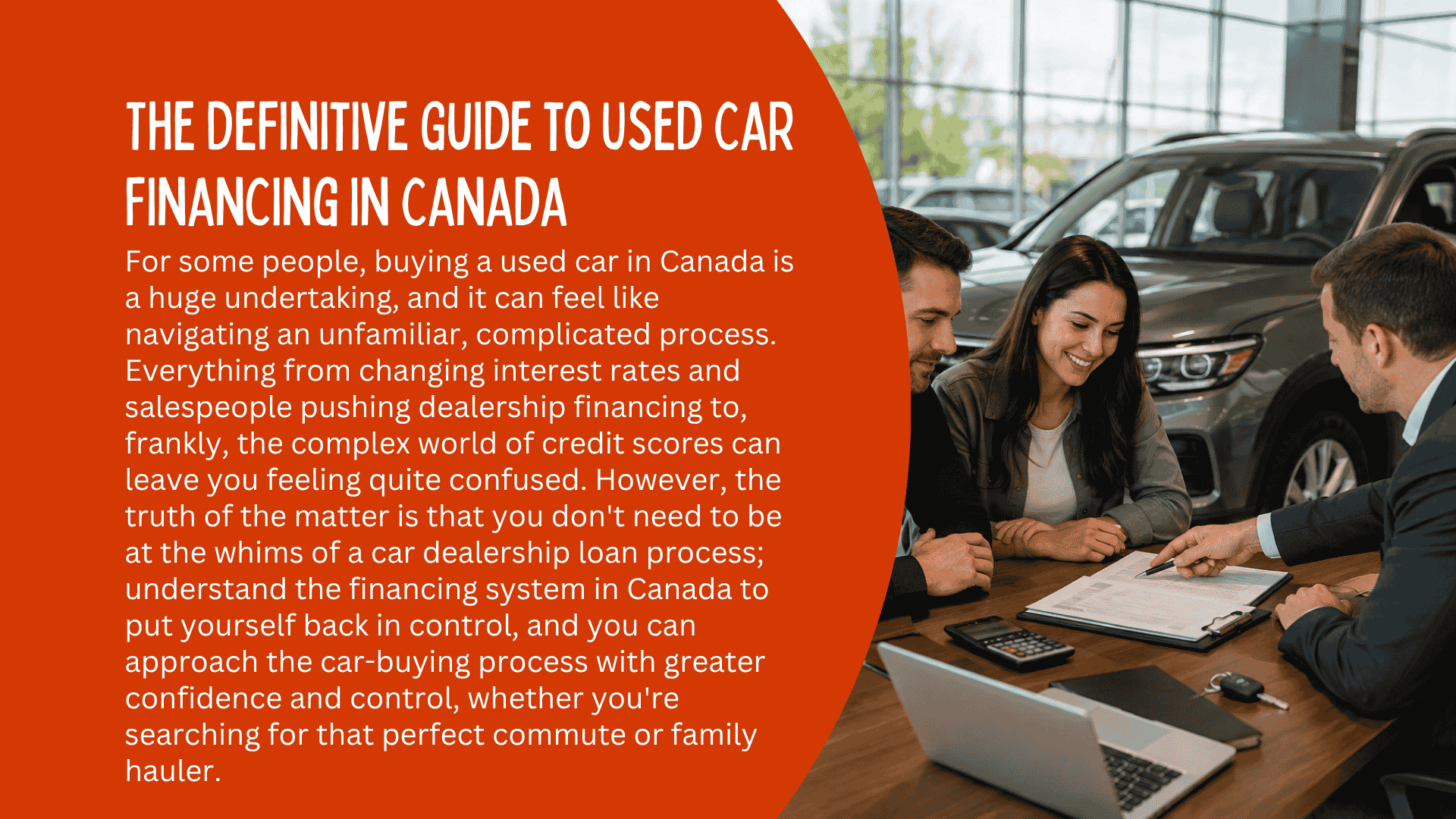
The Definitive Guide to Used Car Financing in Canada
Key Insights Work with your own bank or credit union to get a loan pre-approved, as that will give you an impressive bargaining chip against your...
Read more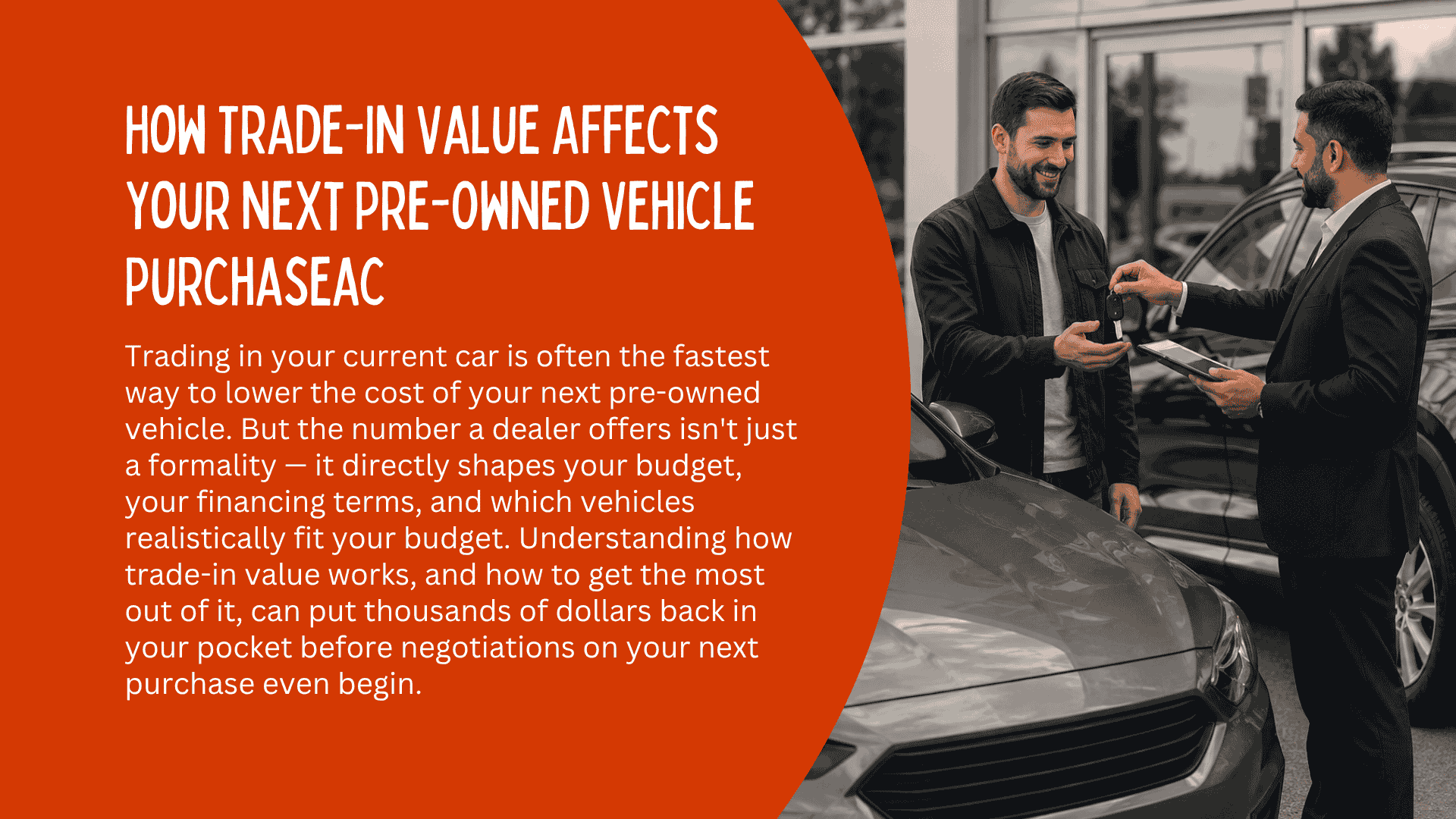
How Trade-In Value Affects Your Next Pre-Owned Vehicle Purchaseac
How Trade-In Value Affects Your Next Pre-Owned Vehicle Purchaseac Trading in your current car is often the fastest way to lower the cost of your...
Read morePowered and developed by
