Top Signs a Pre-Owned Vehicle Has Been Well Maintained
Key Insights -The overall comprehensive maintenance record from a shop or single dealership would be preferable, showing evidence of proper car...
Read more
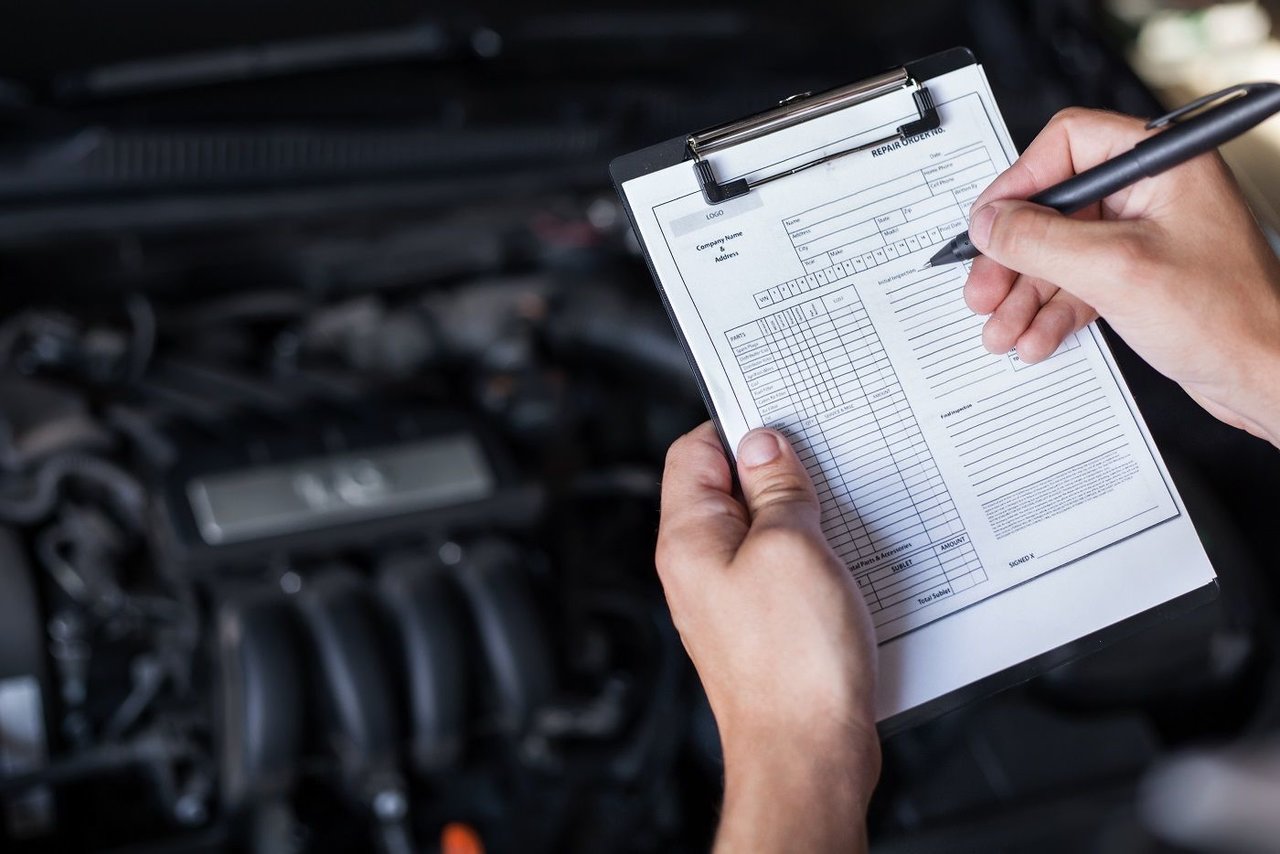
Investing in a pre-owned car brings several benefits worth considering. You’re likely to get more car for your money, with higher-end features available at a lower price point than a brand-new model. Moreover, the bulk of depreciation has already occurred, so the value of the vehicle remains more stable in your hands.
When you’re in the market for a used car, it’s not just about saving money—it’s also about knowing exactly what you’re getting. A used vehicle sits before you with its history and current condition available for thorough inspection. This contrasts with a new car, which, despite its unused status, comes with an unknown reliability factor that will only reveal itself with time.
Many shoppers opt for a used car or SUV, even if a new vehicle is within their financial reach, for the sheer value and assurance it provides. Here are three detailed tips to help you navigate your purchase:
Firstly, understanding your personal or family needs will guide your search for the perfect used car. Consider the following factors:
Size: Do you need a compact car for city driving or something larger for family trips?
Features: What safety features are you looking for? Are there tech amenities, like a built-in navigation system or Bluetooth connectivity, that you consider essential?
Performance: Are you looking for something with a powerful engine, or is a smooth, comfortable ride more your speed?
Fuel Economy: Will you be doing a lot of driving, and if so, is fuel efficiency a top concern for you?
Taking the time to reflect on these aspects will not only help you find a vehicle that suits your day-to-day life but will also significantly narrow down your options, saving you time at dealerships.
A smart budget goes beyond the purchase price of the vehicle. To accurately plan your budget, consider the following:
Purchase Method: Will you be financing your vehicle or paying in full with cash?
Running Costs: Monthly expenses such as fuel, tire replacements, regular maintenance, and unexpected repairs can add up.
Ownership Costs: Annual fees like registration, insurance, and taxes are also part of the total cost of vehicle ownership.
Having a comprehensive budget plan ensures you won’t be caught off guard by unforeseen expenses, and you’ll know exactly what you can afford.
By following these steps, you can approach the used car market with confidence. If you’re ready to explore your options, our dealership is at your service, offering a range of pre-owned vehicles that could meet your needs and exceed your expectations.
Top Signs a Pre-Owned Vehicle Has Been Well Maintained
Key Insights -The overall comprehensive maintenance record from a shop or single dealership would be preferable, showing evidence of proper car...
Read more
The Definitive Guide to Used Car Financing in Canada
Key Insights Work with your own bank or credit union to get a loan pre-approved, as that will give you an impressive bargaining chip against your...
Read more
How Trade-In Value Affects Your Next Pre-Owned Vehicle Purchaseac
How Trade-In Value Affects Your Next Pre-Owned Vehicle Purchaseac Trading in your current car is often the fastest way to lower the cost of your...
Read morePowered and developed by
